
forPEACE an active NGO in Ukraine.
- Ian Miller

- Mar 17
- 3 min read
The war in Ukraine has produced its own kind of geography—not just of front lines and shattered cities, but of people moving in the gaps where institutions hesitate. Somewhere along that fault line sits forPEACE, a small, improvised organization that looks less like a traditional NGO and more like a relay system for urgency.


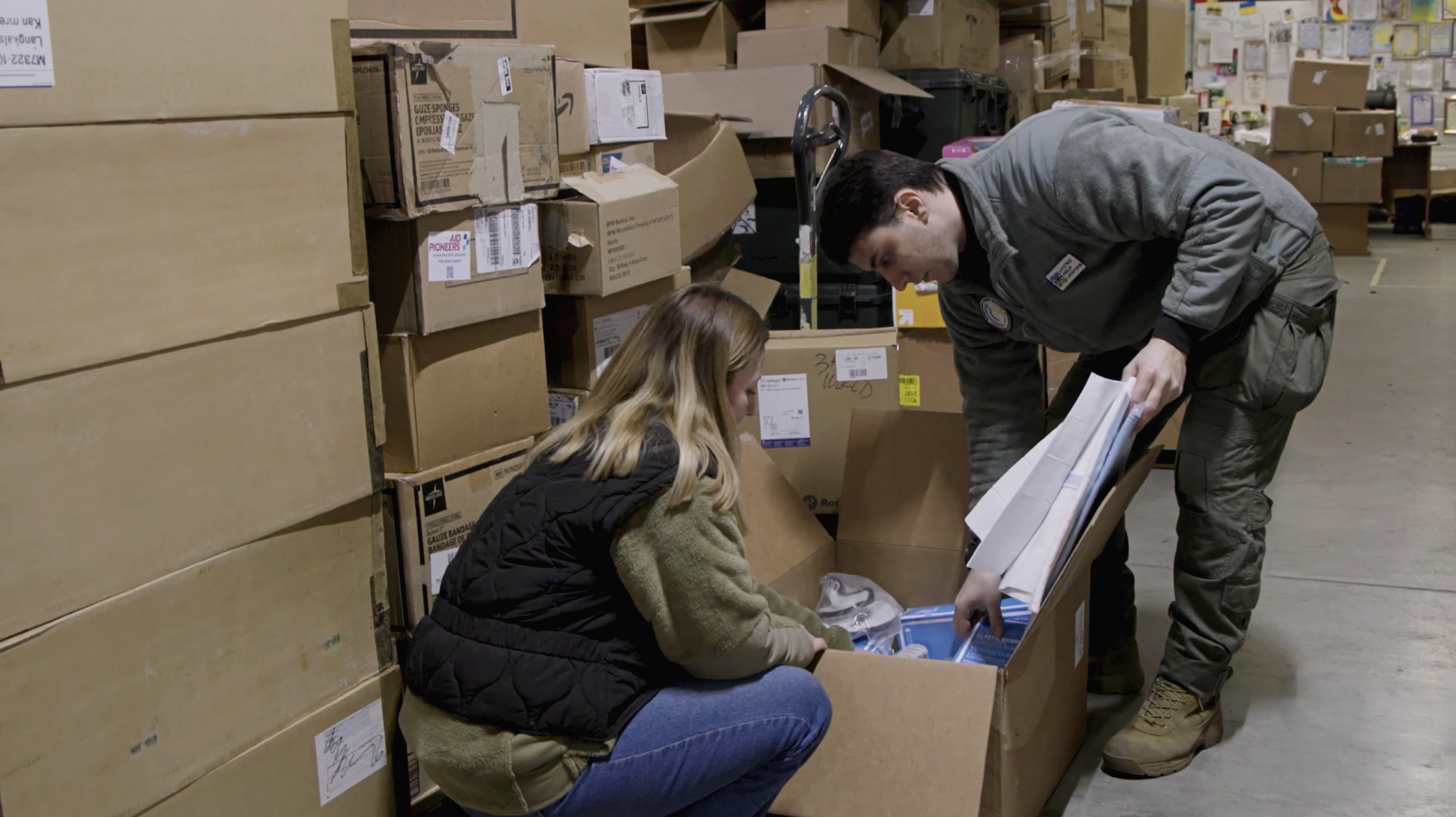


It began, as many things in this war did, with a kind of organized disbelief. In early 2022, as Russian forces pushed across borders and into cities, a loose network of volunteers—students, professionals, people with contacts but no formal mandate—started moving supplies from Poland into Ukraine. There was no grand design. Just a recognition that the machinery of large-scale aid, careful and procedural, could not keep pace with a war that was improvising itself by the hour.
forPEACE took shape in that space. Not as an institution with layers and departments, but as a chain of relationships: someone who knows a medic near Kharkiv; someone else who can source trauma kits in Warsaw; a driver willing to take the risk of the last thirty kilometers.
The organization’s philosophy is disarmingly simple—ask people on the ground what they need, and then try, quickly, to get it to them.
What they move is telling. Not weapons, but everything that sits just to the side of them: tourniquets, evacuation vehicles, radios, protective gear, drones that can locate the wounded in the chaos of a shifting front. It is the infrastructure of survival rather than combat—the difference between a soldier dying where he falls and making it, barely, to the back of an ambulance.


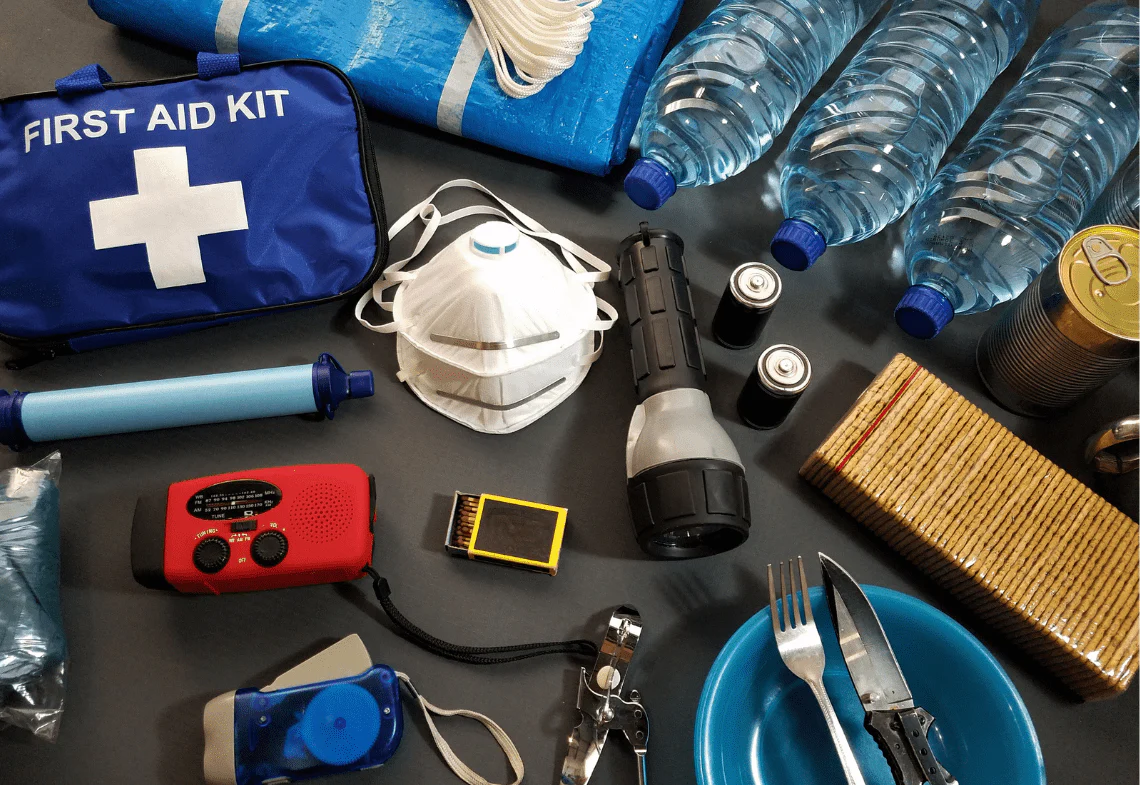
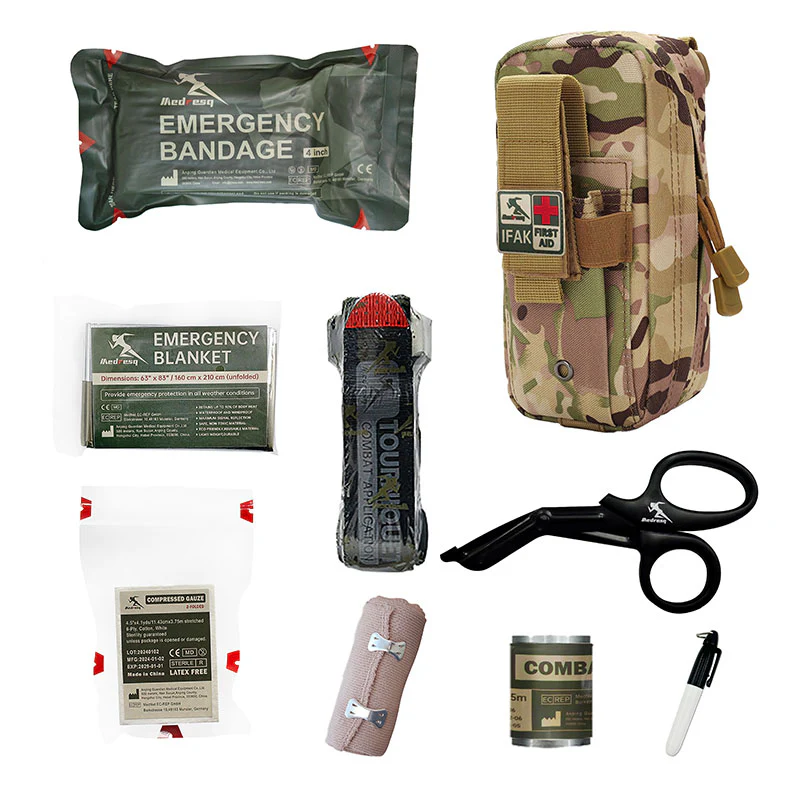
By their own accounting, forPEACE has helped evacuate more than a thousand wounded people. Numbers like that have a way of flattening reality, but on the ground each one is a narrow escape, a sequence of small decisions that went right instead of wrong. A working radio. A vehicle that starts. A bandage applied in time.
Away from the front, the work shifts but doesn’t slow. In towns where infrastructure has been blasted into absence, they install water filtration systems. They deliver supplies to hospitals that are functioning on something closer to instinct than capacity. They partner with local Ukrainian groups—because in a country at war, legitimacy flows from proximity. Outsiders, no matter how well-meaning, move slower unless they are anchored to people who already know the terrain.


What distinguishes forPEACE is not just what it does, but how it moves. It is fast, by design and by necessity. Donations come in; equipment is sourced across Europe; vehicles head east. There are fewer layers to approve, fewer reasons to wait. In another context, that might look like fragility. Here, it looks like adaptation.
There is, though, a quiet tension in organizations like this. Humanitarianism has traditionally tried to draw clean lines—between civilian and combatant, aid and warfighting, neutrality and alignment. forPEACE operates in the blur. Supplying medics and evacuation units on the front line is not the same as delivering food parcels, even if the intent—keeping people alive—is constant. The categories begin to fray under pressure.
And yet, the war itself has little patience for neat distinctions. A wounded soldier and a wounded civilian often pass through the same overstretched clinics, rely on the same vehicles, depend on the same thin margins of time. In that sense, forPEACE is less an outlier than a reflection of the conflict it inhabits—fluid, improvised, resistant to tidy definitions.
What emerges, in the end, is a different picture of aid. Not the slow, deliberate architecture of postwar reconstruction, but something closer to a circulatory system—moving what is needed, where it is needed, before the window closes. It is not elegant. It is not always orderly. But in a war measured increasingly in minutes rather than months, it is often the difference that matters.
Check it out and donate if you can.


Comments