
Racism in America: Who Gets Remembered?

Racism still exists in the United States. It survives in acts of hostility, in unequal treatment and in decisions about whose contribution belongs in the national story.
America has made substantial progress. That progress deserves recognition. But it cannot serve as evidence that the work is finished.
Consider what happened when the Pentagon’s campaign against diversity, equity and inclusion reached the histories of Black Americans who had served their country.
In March 2025, a Defense Department webpage honouring Major General Charles Calvin Rogers, a Black Medal of Honor recipient, disappeared. Its address was altered to include “dei”, and visitors encountered a missing-page message. The department subsequently restored it, saying it had been caught in an automated removal process. Georgia Public Broadcasting
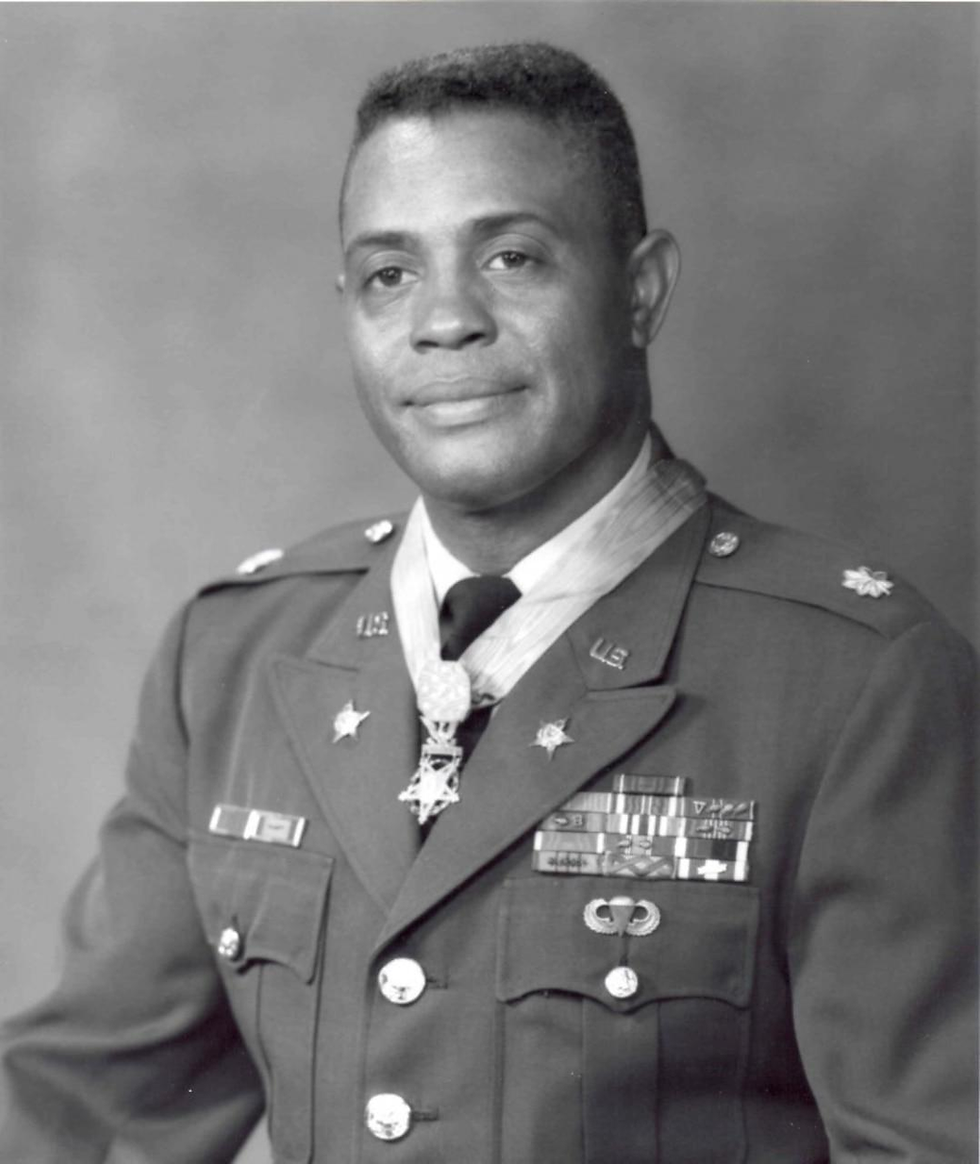
Rogers had received the nation’s highest military decoration for his actions in Vietnam. His record should have made the importance of preserving his story obvious. Instead, an institutional process temporarily made that story inaccessible.
Jackie Robinson’s military service also disappeared from a Defense Department webpage in March 2025. The page was restored on March 19. Before his baseball career, Robinson had served in the Army and faced a court martial after refusing to move to the back of a bus in 1944. He was acquitted. His military history therefore includes both service to America and resistance to discrimination within it. apnews.com
Removing that account, even temporarily, deprives readers of an uncomfortable but essential part of American history: a man could wear the uniform and still have to fight for equal treatment.
The disruption extended beyond individual biographies. The Associated Press obtained a Pentagon database identifying more than 26,000 images and posts flagged for removal, including photographs of the Tuskegee Airmen. Being flagged did not mean every item was deleted. Separately, the Air Force briefly withdrew training material containing videos about the airmen before reversing the decision. apnews.com

Precision matters here. There were removals, proposed removals and subsequent restorations. They should not be collapsed into a claim that every affected veteran was permanently erased.
The same care is necessary with reports about General Daniel “Chappie” James Jr., America’s first Black four-star general. After controversy over his portrait disappearing from a prominent Pentagon location, the Pensacola News Journal reported in July 2026 that the Air Force said it had been relocated during gallery work to the Tuskegee Airmen Corridor. The service identified six works featuring James elsewhere in the building. That account does not support saying his image had been removed from the Pentagon altogether. AOL
An argument against historical distortion must itself withstand scrutiny.
The Pentagon’s stated position was that service members should be recognised for their service rather than their race, and that mistaken removals would be corrected. That explanation belongs in the record. It does not settle whether the policy was responsibly designed or implemented. apnews.com
There is a fundamental problem with treating recognition of racial barriers as an intrusion into military history. Those barriers were part of military history. Explaining that Black personnel served in segregated units helps readers understand the conditions under which they served. Removing that context makes the account less complete.
These episodes do not, by themselves, prove the personal motives of every official involved. They do demonstrate how a political directive can diminish the visibility of Black achievement, including through careless implementation. Institutions remain responsible for consequences produced by their systems.
The evidence of racism also reaches beyond remembrance.
A large hiring experiment, published in 2022, sent more than 83,000 fictitious applications to 108 major American employers. Randomly assigned, distinctively Black names reduced applicants’ chances of receiving employer contact compared with distinctively white names. The discrimination was concentrated among particular companies. This was evidence of unequal treatment under controlled conditions. academic.oup.com
And Justice Department figures for 2025 show that race, ethnicity or ancestry motivated offences against 55.6% of victims in reported single-bias hate crimes. Overall recorded hate-crime incidents declined from the previous year; racial hostility nevertheless remained the largest recorded category. www.justice.gov
America contains both that hostility and people determined to oppose it. Recognising racism does not require condemning every American. It requires examining conduct, decisions and institutions honestly.
Restoring a webpage matters. So does asking why it disappeared, who authorised the process and what will prevent a repetition. Trump, Hegseth and Parnell have clearly be shown to be the instigators via Trumps initial executive order demantling DEI programs.
Black veterans earned their place in the historical record through their service. Preserving that record is a public responsibility, not a favour that changes with an administration’s politics.


Comments