
The Philanthropic Impact of MacKenzie Scott on Modern Giving !
- Ian Miller

- Mar 15
- 4 min read
When people first heard the name MacKenzie Scott, it was usually in the shadow of Jeff Bezos. For years she was described simply as “the wife of the founder of Amazon.” But that framing missed the real story. MacKenzie Scott helped build the foundations of one of the most powerful companies in modern history—and later became one of the most influential philanthropists the world has seen.



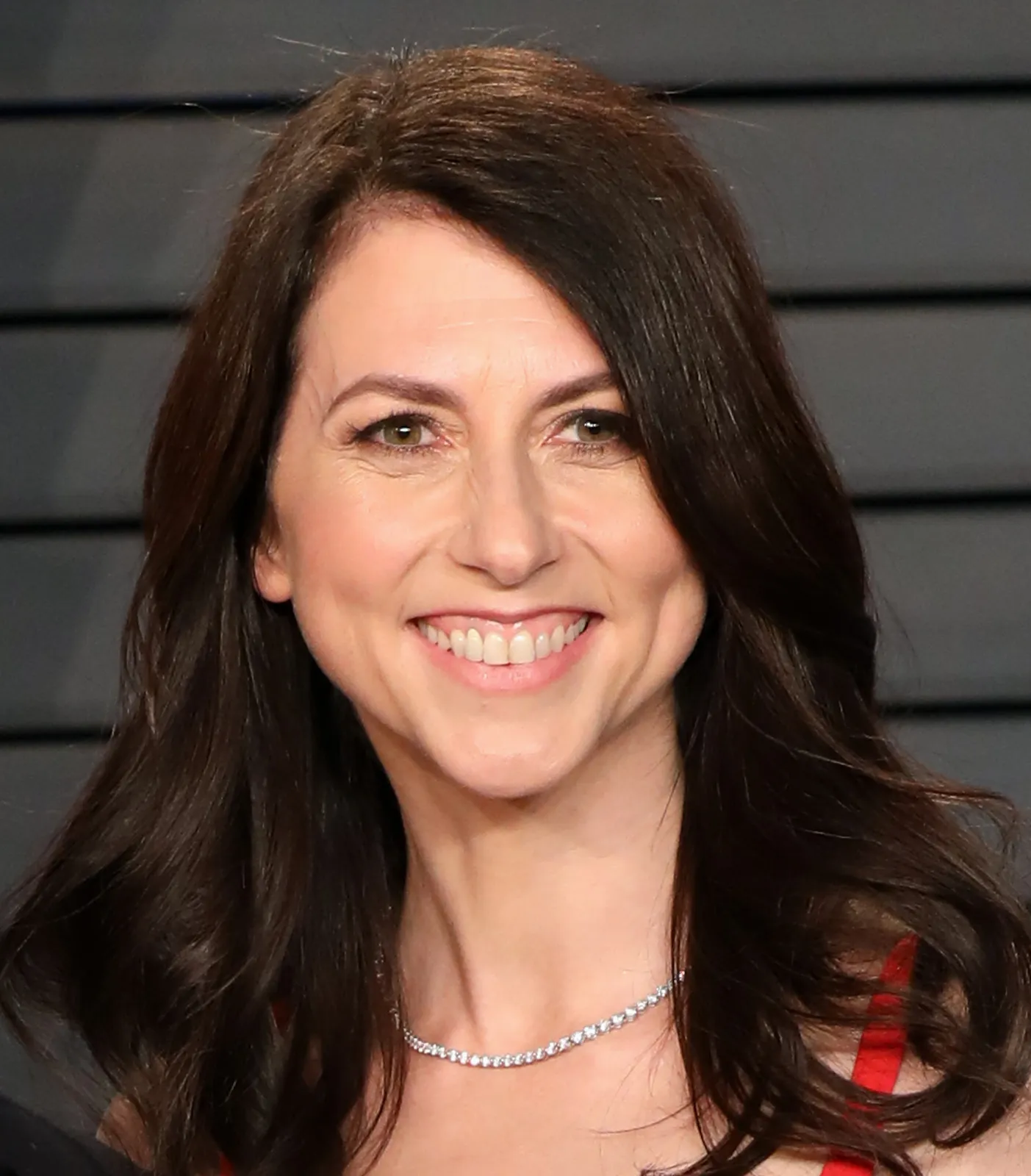
Her life arcs through literature, Silicon Valley, unimaginable wealth, and then a radical decision about what to do with it.
She was born MacKenzie Tuttle in 1970 in San Francisco, the daughter of a financial planner and a homemaker. Books were her first passion. As a child she wrote constantly—stories, little novels, anything she could imagine. By the time she was six she had already written a book called The Book Worm, though it was later lost in a flood.
Scott eventually studied English at Princeton University, where she was taught by the future Nobel Prize–winning novelist Toni Morrison. Morrison later described Scott as “one of the best students I’ve ever had.” That wasn’t casual praise—Morrison was famously sparing with compliments.
After graduating in 1992, Scott moved to New York and took a job at the hedge fund D. E. Shaw & Co.. That is where the next chapter of her life began. A young quantitative analyst named Jeff Bezos worked in the office next door.
Scott has said she first noticed Bezos because of his laugh—it was loud enough to carry through the walls. She asked him to lunch. Within three months they were engaged. Six months later they were married.

At that point Bezos was already restless. In 1994 he told Scott he wanted to quit his high-paying job to start an online bookstore. The internet was barely understood then. Most people thought it was a curiosity.
Scott didn’t hesitate.
She helped him write the business plan and the two of them drove across the country from New York to Seattle in a car packed with belongings. During that long drive, Bezos sat in the passenger seat writing code for what would become Amazon while Scott drove.
When they arrived in Seattle, the company began in a garage. Scott worked on the earliest pieces of the business—handling accounting, shipping logistics, and whatever else was needed in those chaotic startup months.
In those early days Amazon was nothing like the corporate giant it later became. It was a fragile idea operating out of rented space with desks made from wooden doors. But it grew at a speed that surprised even its founders.
As the company expanded through the late 1990s and 2000s, Scott gradually stepped back from day-to-day involvement and returned to writing, the thing she had always loved most.
She published her first novel, The Testing of Luther Albright, in 2005. It took her ten years to complete. The book won the American Book Award in 2006 and explored themes of family, masculinity, and emotional fragility. Her second novel, Traps, came out in 2013.
For much of this time Scott and Bezos lived relatively privately despite the explosive growth of Amazon. They raised four children—three sons and a daughter adopted from China—and were deeply involved in education and literacy charities.
But by the late 2010s the scale of their wealth had become staggering. Bezos had become the richest person on Earth.
Then, in January 2019, the couple announced they were divorcing after 25 years of marriage.
The divorce quickly became the most expensive in history.
Under the settlement Scott received 25 percent of the couple’s Amazon shares, worth roughly $36 billion at the time. Bezos retained voting control over the stock, but Scott instantly became one of the richest women in the world.
What happened next is what truly reshaped her public identity.
Instead of building foundations or creating large bureaucratic charities, Scott began giving money away at an unprecedented speed. She signed the Giving Pledge, the commitment created by Bill Gates and Warren Buffett, promising to give away most of her fortune.
But Scott took the pledge further than almost anyone expected.
Her method was simple but radical: she and a small research team quietly identified organizations doing effective work—often small or overlooked nonprofits—and sent them enormous, no-strings-attached donations.
No long application process. No complicated reporting requirements. No donor branding.
Just a letter telling them millions of dollars were arriving.
By 2024 Scott had given away more than $17 billion to over 1,600 organizations. Many of them were community colleges, food banks, racial justice groups, rural hospitals, and housing nonprofits—institutions that large philanthropies often overlook.
The speed of her giving stunned the nonprofit world. Some charities that normally spent years fundraising suddenly received transformational gifts overnight.
Scott has described her philosophy simply: wealth of that magnitude, she believes, is not something one person should control indefinitely.
Her approach also quietly challenged traditional philanthropy. Instead of building monuments to donors, she treated wealth as something to circulate quickly to people already doing the work.
Meanwhile her personal life shifted again. In 2021 she married Seattle science teacher Dan Jewett, though the marriage later ended in divorce in 2023. Throughout it all she continued giving away billions.
What makes Scott unusual is that she never tried to turn philanthropy into a public persona. She rarely gives interviews, rarely appears at conferences, and communicates mostly through short essays posted online.
The result is a curious paradox.
MacKenzie Scott may be one of the most powerful philanthropists alive, yet she remains almost invisible compared to the billionaire culture surrounding Silicon Valley.
And in a world where fortunes are usually accumulated and defended, she became famous for doing something far rarer.
Giving them away.


Comments