
A Ship at the End of the World - Andes strain of hantavirus.

The outbreak did not begin in a laboratory.It did not emerge from a war zone or a crowded megacity.It appears to have begun instead at the ragged southern edge of the world — in the cold winds of Patagonia, among birdwatchers, landfill gulls, rodents and tourists boarding a luxury expedition ship bound for the Atlantic.

Now the world is watching the Dutch expedition vessel MV Hondius as health officials race across continents trying to contain one of the rarest and most unsettling viral outbreaks in recent memory: a cluster of Andes hantavirus, the only known hantavirus strain capable of limited human-to-human transmission.
The Hondius departed from Ushuaia on 1 April carrying fewer than 150 passengers and crew from more than 20 countries. It was marketed as a voyage into remote beauty — glaciers, seabirds, Antarctic waters, isolation. Instead, it became a floating epidemiological investigation.
The first passenger reportedly fell ill just days after departure: fever, headache, stomach distress. At first it appeared unremarkable. Cruise ships are environments where ordinary illness spreads easily. But this was different. Symptoms progressed rapidly into respiratory collapse. On 11 April, the first passenger died onboard. Then others became ill. Then more deaths followed.
By early May, international alarm had replaced routine medical concern. The World Health Organization confirmed that investigators were dealing with a hantavirus cluster linked to the ship.
At the centre of the investigation is a theory almost cinematic in its strangeness. Argentine investigators reportedly believe the outbreak may trace back to a landfill visit near Ushuaia by European birdwatchers before embarkation. There, infected rodent droppings may have aerosolised into dust particles inhaled by travellers.
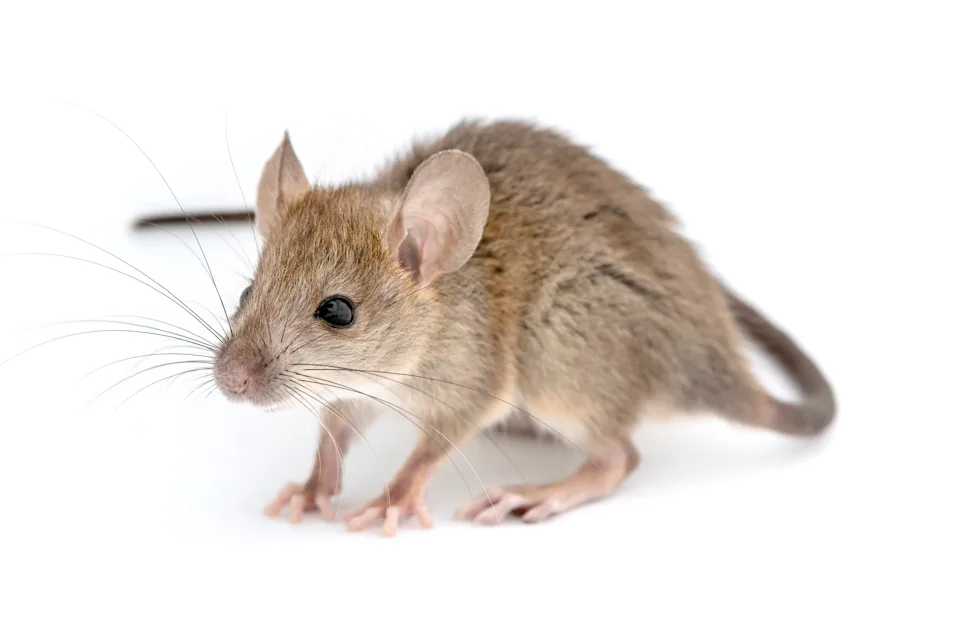
The suspected reservoir animal is not dramatic. It is not a bat or an exotic predator. It is a rodent. A small carrier shedding virus in urine and faeces. The terrifying efficiency of hantavirus has always lain in that banality. Humans do not need to be bitten. They simply breathe contaminated particles.
Most hantaviruses do not spread between humans. Andes virus is the exception. Even then, transmission appears rare and usually requires prolonged close contact — spouses, cabin mates, caregivers. Yet the mere possibility changes the psychology of an outbreak completely.
Suddenly this was no longer simply a rodent-borne disease in rural Argentina. It became an international tracing operation involving airports, hospitals, quarantines and military-grade biocontainment facilities. Passengers dispersed across Europe, North America, Asia and Africa before the scale of the danger was fully understood.
The numbers remain relatively small — seven confirmed cases, several suspected infections, three deaths — but the response has been enormous precisely because public health authorities remember how outbreaks evolve in their earliest stages: uncertainty first, reassurance second, panic third.

There is another reason this story has resonated so deeply. The imagery feels disturbingly contemporary: a luxury vessel isolated at sea, masked medical evacuations, governments tracking international passengers, epidemiologists reconstructing social contact networks cabin by cabin. It evokes memories many societies hoped had been psychologically buried after COVID-19.
But experts continue to stress an important distinction. This is not considered “the next pandemic.” Andes hantavirus spreads far less efficiently than airborne respiratory viruses such as SARS-CoV-2. Most exposed people will never become infected. Many public health agencies still classify the broader risk to the public as low.
Still, outbreaks acquire symbolic power beyond their raw numbers.
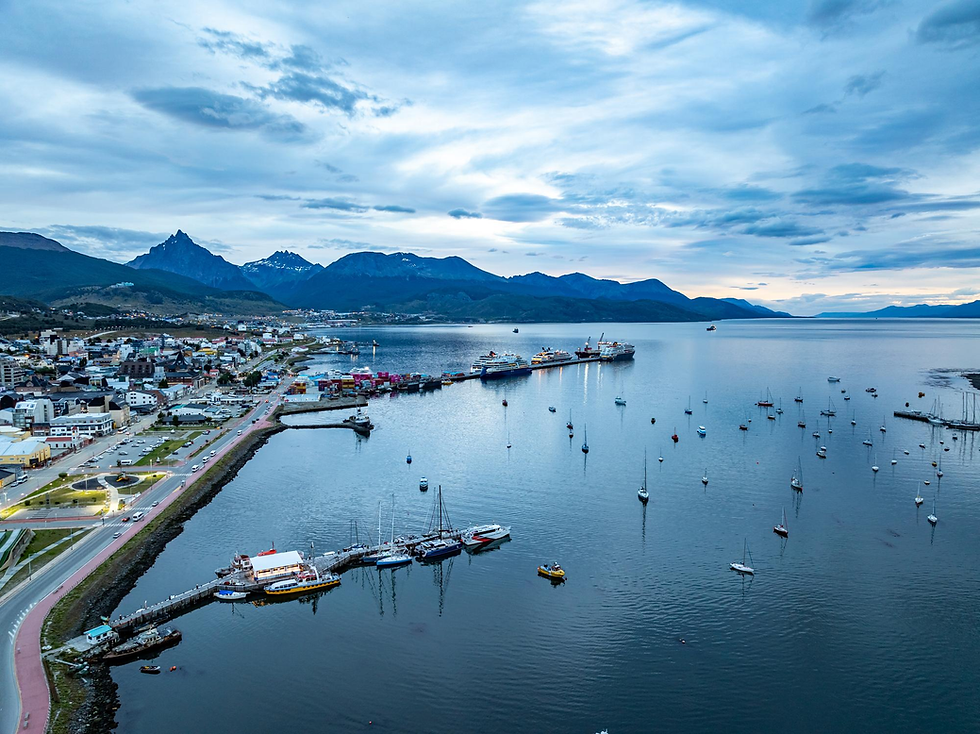
And the Hondius outbreak carries an unnerving symbolism: a reminder that modern travel has compressed wilderness and civilisation into the same biological space. A person can inhale contaminated dust near the bottom of South America and, within days, sit beside strangers on an aircraft crossing oceans. Geography no longer slows pathogens the way it once did. Humans removed the distances that evolution originally relied upon.
At the edge of Patagonia, among the glaciers and seabirds sold as symbols of pristine remoteness, the modern world discovered once again that isolation itself is now largely an illusion.
Situation at a glance
On 2 May 2026, a cluster of passengers with severe respiratory illness aboard a cruise ship was reported to the World Health Organization (WHO). At that time, according to the ship operator, 147 passengers and crew were onboard, and 34 passengers and crew had previously disembarked. Since the last Disease Outbreak News published on 4 May, three of the suspected cases were confirmed, and one additional confirmed case was reported. As of 8 May, a total of eight cases, including three deaths (case fatality ratio 38%), have been reported. Six cases have been laboratory-confirmed as hantavirus infections, with all identified as Andes virus (ANDV). Through the International Health Regulations (2005) (IHR) channel, National IHR Focal Points (NFPs) have all been informed and are supporting international contact tracing. WHO assesses the risk to the global population posed by this event as low and will continue to monitor the epidemiological situation and update the risk assessment. The risk for passengers and crew on the ship is considered moderate.


Comments