
Britain’s Far Right: Persistent Without Power
- Ian Miller

- Feb 10
- 2 min read
Britain often reassures itself that it is largely immune to the far right. There is no mass fascist party, no Le Pen or AfD equivalent, no credible threat of authoritarian takeover. Extremism, the thinking goes, belongs elsewhere.
That confidence is misplaced.
The far right in the UK has never been a unified movement. Instead, it exists as a fragmented ecosystem—parties that flare and collapse, street movements that burn briefly, and online networks that adapt faster than they can be named. Its influence lies not in governing but in shaping debate, narrowing political imagination, and normalising exclusion.
The roots of the modern British far right lie in postwar organisations such as the National Front, which reached its peak in the 1970s by exploiting racial anxiety and economic decline. Its tactics were blunt: marches, intimidation, and open white nationalism. Public revulsion and internal chaos eventually reduced it to irrelevance.
The British National Party attempted something subtler. Under Nick Griffin in the 2000s, the BNP traded skinhead imagery for suits and ballot papers. For a time, it succeeded—winning council seats and even representation in the European Parliament. But scrutiny exposed its ideology, financial mismanagement, and internal dysfunction. By the mid-2010s, it had collapsed.

What followed was not moderation but transformation.
The English Defence League, founded in 2009, reframed far-right politics around cultural grievance rather than explicit race. Presenting itself as “anti-Islam” rather than racist, it relied on street protests amplified by social media. The EDL’s organisational life was short, but its legacy endured: anger-driven politics divorced from coherent ideology, optimised for online outrage.


Today, Britain’s far right is primarily digital. Groups such as Britain First and Patriotic Alternative function less as parties than as propaganda networks, pushing demographic panic, conspiratorial narratives, and the idea that British identity is under existential threat.

Patriotic Alternative in particular represents a return to explicit racial nationalism, repackaged through everyday aesthetics—hiking clubs, local leafleting, community imagery—designed to make extremism feel ordinary.
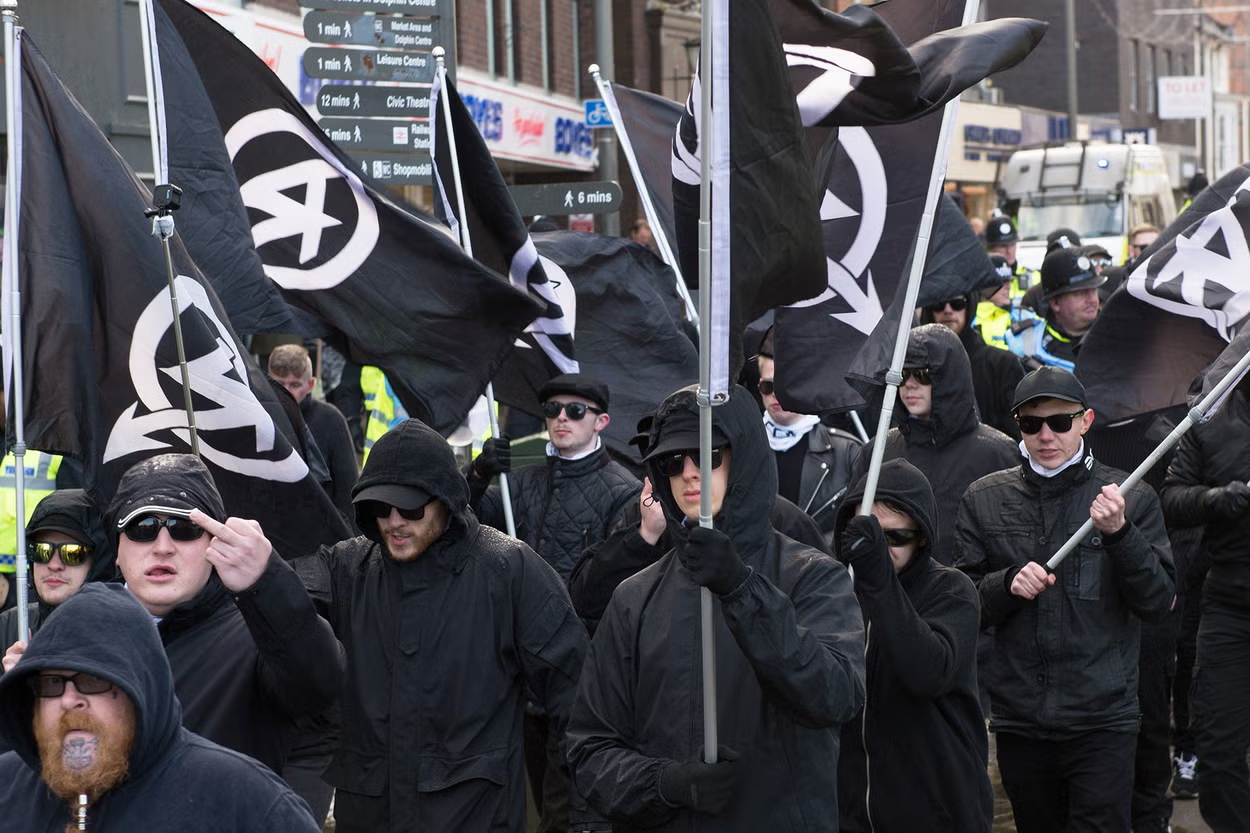
At the most extreme edge sit banned neo-Nazi groups such as National Action, whose members planned acts of violence and terrorism. Britain has been comparatively robust in proscribing violent far-right organisations, but repression addresses symptoms rather than causes.


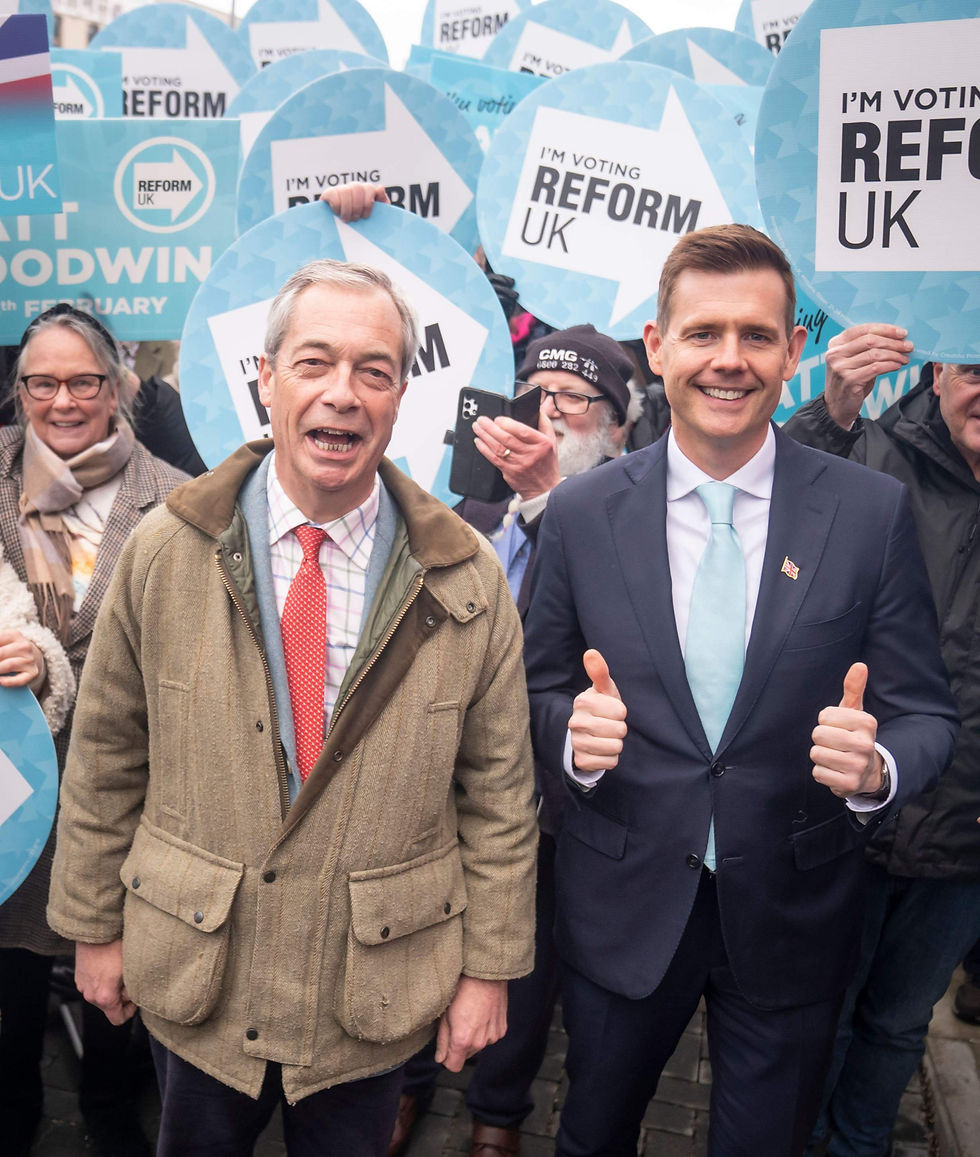
The far right also thrives in political grey zones. Populist movements like Reform UK are not fascist, but they absorb and legitimise far-right talking points on immigration, national decline, and elite betrayal. Alongside them operate culture-war influencers who frame themselves as defenders of free speech while recycling extremist myths, particularly around migrants and trans people. Radicalisation here is incremental: grievance first, ideology later.
Despite fragmentation, the worldview is consistent. National identity is defined ethnically rather than civically. Immigration is framed as invasion. Muslims are portrayed as incompatible with British life. Demographic change is cast as deliberate betrayal. Media and institutions are treated as enemies. Above all, there is a fixation on victimhood—the belief that loss of dominance equals oppression.
Britain’s electoral system, legal framework, and historical suspicion of authoritarianism have prevented the far right from capturing power. But this has bred complacency. The danger today is not a march on Parliament, but the slow erosion of norms: cruelty reframed as common sense, exclusion as pragmatism, fear as policy.
The British far right does not need to rule. It only needs permission.


Comments