
Does a picture always need to be sharp.

Does a picture always need to be sharp to be important? This is a question that many photographers and artists have asked themselves, and the answer is not simple. Sharpness is often associated with clarity, realism, and quality, but it is not the only factor that determines the value or significance of an image. Sometimes, a picture can be blurry, grainy, or distorted, and still convey a powerful message, emotion, or story. In fact, some photographers deliberately use blur or noise as creative tools to enhance their vision or style. For example, motion blur can create a sense of movement, dynamism, or energy, while selective focus can draw attention to a specific subject or detail. Noise can add texture, mood, or atmosphere to an image, while distortion can exaggerate or transform shapes and perspectives. These techniques can also challenge the viewer's perception and expectations, and invite them to interpret the image in their own way. Therefore, a picture does not always need to be sharp to be important. What matters more is the intention and expression of the photographer or artist and the impact and impression that the image has on the viewer.

The picture seen here is sharp but not to the extreme; it still has some character and tells the story of the man. Images don’t always need to be sharp to be important. Sharpness is just one technical quality, but the meaning of a photograph often comes from context, emotion, and storytelling rather than perfect clarity.
Sharpness can enhance an image, but importance comes from what the photo communicates. A blurred shot of Bobby Hutton’s funeral, for instance, a grainy protest photo, or a soft portrait can be just as significant as a technically perfect image — sometimes even more so, because they capture feeling over detail.


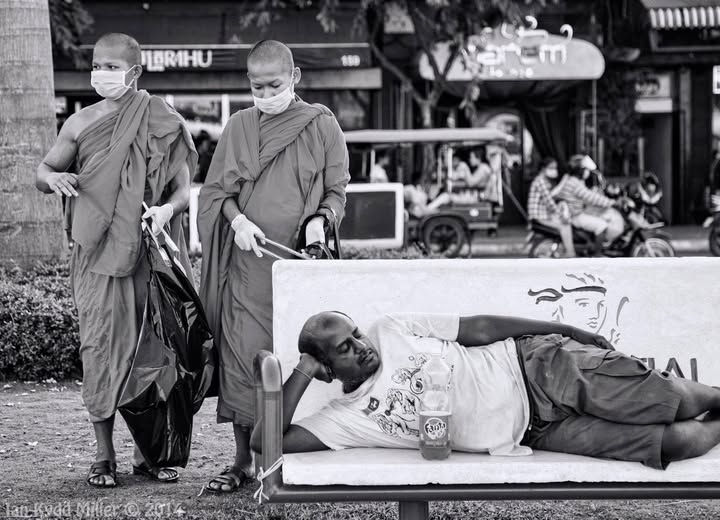
Some of the most iconic images (e.g., early war photography, candid street shots) are grainy or blurred, yet they remain powerful records of history. Imperfections can even enhance authenticity, reminding viewers of the urgency or danger in which the photo was taken.


Comments