
Insurrection of Jan 6th : Capitol Attacked.
- Ian Miller

- Mar 12
- 5 min read
The morning of January 6, 2021 began with the sort of brittle winter light that Washington produces in early January—pale sky over white marble, a capital city that looked, at least from a distance, perfectly stable. The United States had held a presidential election two months earlier. The votes had been counted, challenged, recounted, and certified. Courts had dismissed allegations of widespread fraud. Yet thousands of people gathered near the White House to hear the outgoing president, Donald Trump, insist once more that the election had been stolen.
The claim had by then become an article of faith among his most devoted supporters. In the weeks after the election, lawyers, activists, and political allies tried a series of increasingly desperate maneuvers to reverse the outcome. Lawsuits collapsed. State officials refused to change vote totals. The vice president, Mike Pence, declined to block certification of the electoral votes. Still the narrative persisted: something had gone terribly wrong, and only extraordinary action could set it right.
Trump addressed the crowd for more than an hour that morning. He repeated the accusations of fraud and urged supporters to march to the Capitol, where Congress was preparing to certify the victory of Joe Biden. The speech was theatrical, defiant, and unmistakably combustible. “If you don’t fight like hell,” he warned, “you’re not going to have a country anymore.”
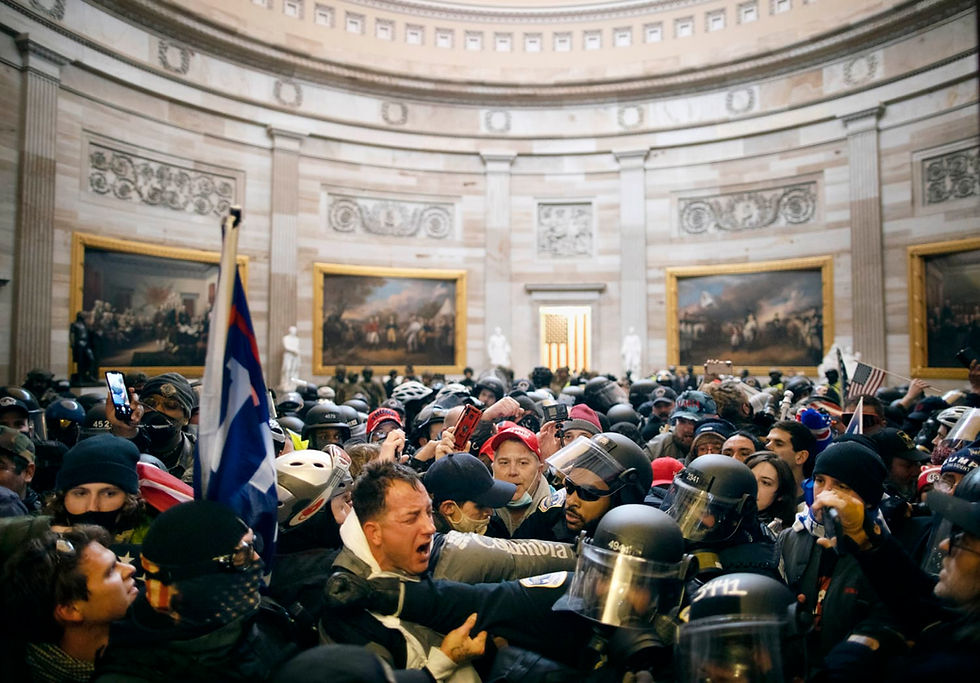
By early afternoon the crowd had become something else entirely. Barricades collapsed along the western front of the Capitol. Windows were smashed. Police lines broke under pressure. Inside the building, lawmakers were rushed from the House and Senate chambers as rioters moved through corridors normally reserved for tourists and staff. Some carried




Confederate flags. Others wore tactical gear or improvised armor. A few seemed less organized—ordinary citizens caught in the electricity of a moment they had not expected to reach.

For several hours, the certification of the presidential election simply stopped.
When Congress reconvened late that night, shaken but determined, the process resumed. The electoral votes were counted. Biden’s victory was confirmed. In that narrow sense the constitutional system held. But the legal reckoning that followed would stretch for years and become the largest criminal investigation in the history of the Federal Bureau of Investigation.


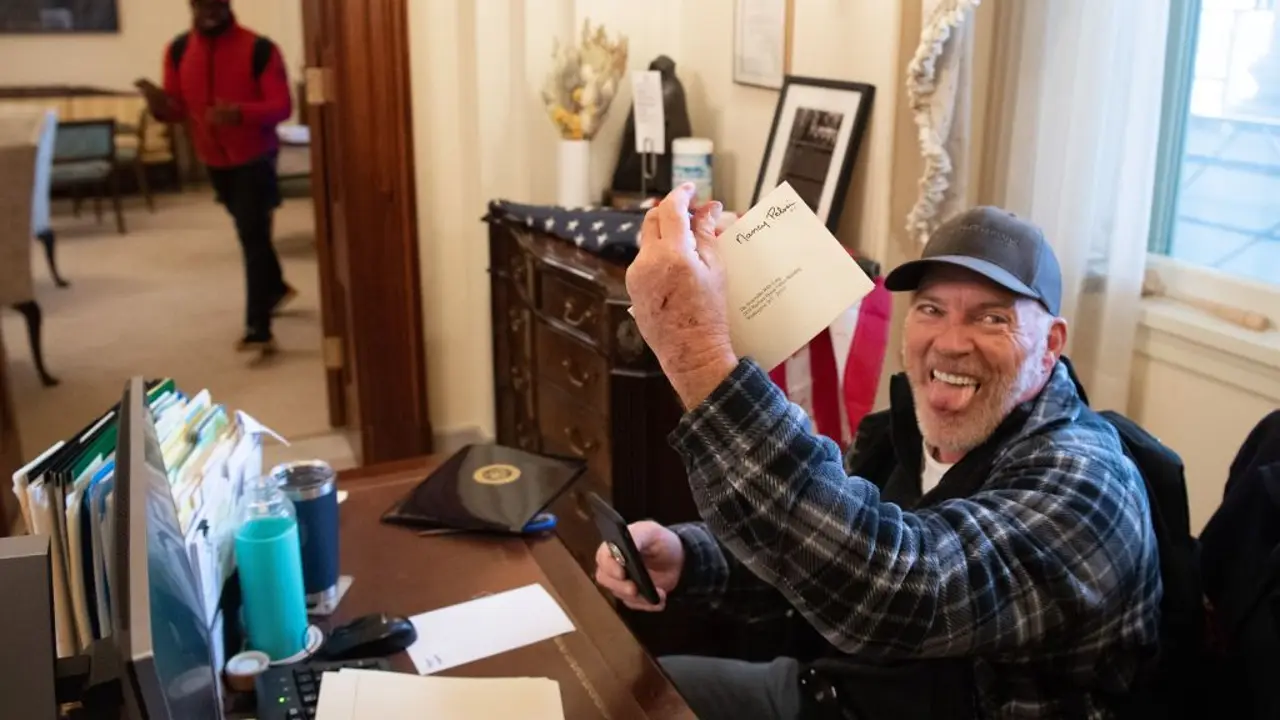


Federal authorities began identifying participants almost immediately. Images circulated widely—faces caught on security cameras, social media posts boasting about the breach, livestreams filmed by the rioters themselves. Arrests began within days and continued for years. By the middle of the decade, more than 1,500 people had been charged in connection with the attack.


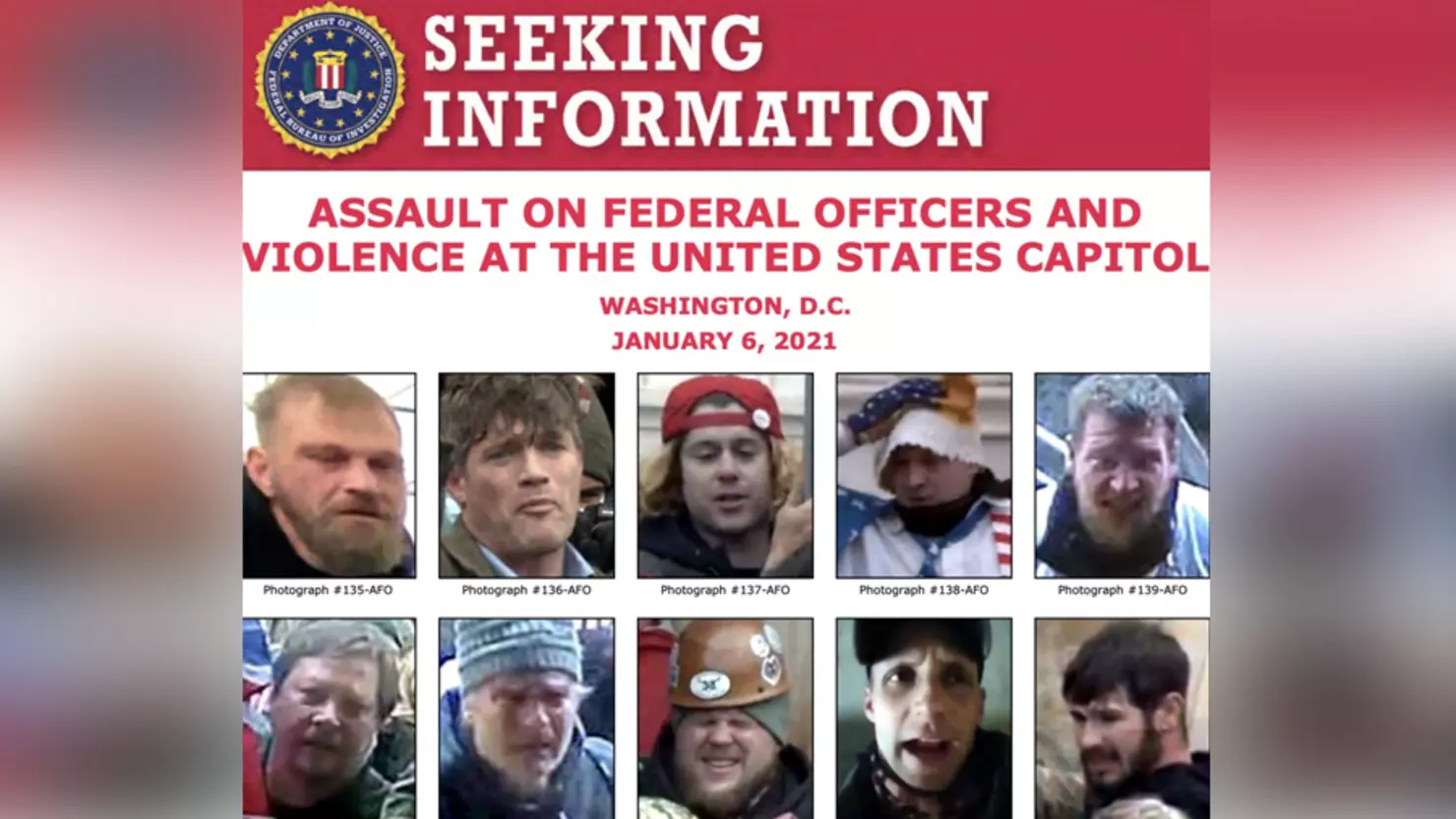
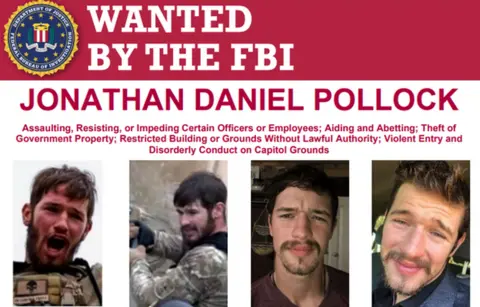


The cases ranged widely in seriousness. Some defendants were accused of little more than trespassing in restricted areas. Others were charged with assaulting police officers, smashing windows, or organizing coordinated efforts to disrupt the certification process. Several leaders of extremist groups received particularly severe sentences. The Proud Boys leader Enrique Tarrio, though not physically present during the breach itself, was convicted of seditious conspiracy and sentenced to twenty-two years in prison, one of the longest terms imposed in connection with the attack.
By early 2023, the Justice Department confirmed that nearly two hundred defendants had received prison sentences. In the years that followed, the number climbed steadily as cases wound through the courts. The prosecutions became a sprawling legal enterprise: hundreds of plea agreements, dozens of trials, and an immense archive of evidence documenting the chaos of that afternoon.

Yet the legal focus did not stop with the rioters themselves. Investigators also turned toward the political campaign that had preceded the attack. In 2023, Special Counsel Jack Smith filed a federal indictment accusing Trump of conspiring to overturn the election results through pressure on state officials, false slates of electors, and attempts to block congressional certification.
The charges included conspiracy to defraud the United States and obstruction of an official proceeding.

At roughly the same time, a separate prosecution emerged in Georgia. The Fulton County district attorney, Fani Willis, brought a sweeping racketeering case alleging that Trump and several allies participated in a coordinated scheme to overturn that state’s election results. The indictment drew heavily on a now-famous phone call in which Trump urged Georgia’s secretary of state, Brad Raffensperger, to “find” the votes needed to reverse Biden’s victory.
Together the cases posed a constitutional question the United States had never
faced directly: whether a former president could be criminally prosecuted for actions taken while attempting to remain in power.
The legal battle moved slowly. Appeals over presidential immunity delayed proceedings. Defense lawyers argued that Trump’s actions were protected political speech and legitimate efforts to contest an election. Prosecutors argued that attempting to overturn certified results crossed from politics into criminal conspiracy. Courts wrestled with the boundary between those two worlds.
2025

Meanwhile, the fate of the people who had physically stormed the Capitol took another turn.
After returning to the presidency, Trump issued sweeping clemency for more than fifteen hundred January 6 defendants, pardoning or commuting sentences for individuals who had already been convicted or were still facing prosecution.
Supporters framed the move as a correction of what they viewed as
politically motivated prosecutions. Critics saw it as a gesture of solidarity with the very people who had tried to disrupt the constitutional transfer of power.
Clemency in the American system is absolute; once granted, the original conviction cannot be undone but the punishment disappears. Prison sentences vanish. Criminal liability dissolves.
But the stories of some pardoned participants did not end there.


By late 2025, investigators and watchdog groups reported that dozens of pardoned January 6 defendants had faced other criminal allegations, many of them unrelated to the Capitol attack itself. The overwhelming majority involved incidents that predated the pardon. Yet at least four individuals were accused of committing new crimes after receiving clemency, while other reports suggested seven had been arrested in new incidents in the months following their release.

The allegations varied widely. One pardoned participant was charged after making violent threats against the House Democratic leader, Hakeem Jeffries. Another was arrested in connection with burglary charges. Still others faced accusations involving harassment, threats, or weapons violations.
None of these cases approached the political magnitude of January 6 itself. But they carried a symbolic weight. They raised uncomfortable questions about what happens when mass clemency intersects with a population of offenders drawn from a moment of intense political radicalization.
To critics, the arrests illustrated the risks of broad pardons issued not on the basis of individual circumstances but as a collective political act. Supporters countered that a handful of later arrests among more than a thousand pardoned individuals hardly constituted a pattern.
The truth, as is often the case in American political life, lies somewhere between narrative and arithmetic. A movement that once produced a mob capable of halting Congress also produced hundreds of ordinary criminal cases—some violent, some minor, many ending in plea bargains that barely attracted public attention.
The legal record of January 6 now fills thousands of pages of indictments, court filings, and sentencing memoranda. It documents a moment when the assumptions underlying the American political system—losers concede elections, crowds do not invade legislatures, presidents leave office when the votes are counted—suddenly seemed less certain.
Historians will eventually decide how to categorize the day itself: riot, insurrection, attempted coup, or some uneasy combination of all three. The courts, meanwhile, have focused on the narrower language of statutes and charges.
But beyond the legal vocabulary lies the deeper fact that for several hours that winter afternoon, the machinery of American democracy simply stopped. Lawmakers hid. Police fought to regain control of the building. The electoral count—normally a ceremonial formality—became an emergency procedure conducted under armed guard.
And years later, through prosecutions, pardons, appeals, and new arrests, the country is still trying to decide what that moment meant.


Comments