
Latest White House Governors Dinner & Events Coverage🌍🇺🇸

The annual winter gathering of the National Governors Association is usually a carefully choreographed display of bipartisan civility — handshakes in the State Dining Room, polite applause, and a formal White House dinner meant to remind the country that federalism still functions, at least ceremonially. This year, under Donald Trump, the ritual cracked in full public view.
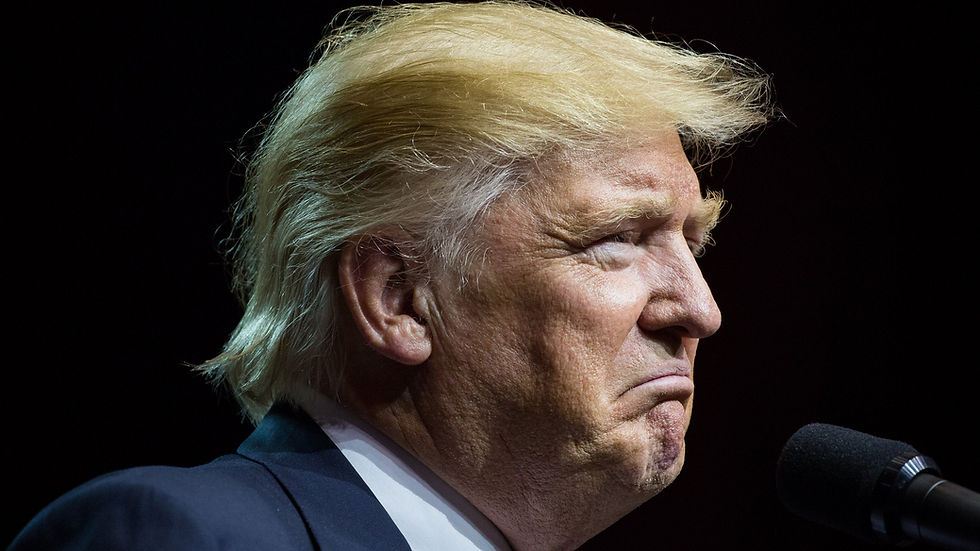
It began with a snub. Invitations to a high-profile White House dinner tied to the NGA meeting went out — but not to every governor. Colorado’s Jared Polis and Maryland’s Wes Moore were initially excluded, a break from longstanding tradition that presidents host all sitting governors regardless of party. The omission was not subtle. Trump publicly criticized both men, framing the decision as deliberate rather than logistical. What might once have been a quiet scheduling dispute detonated into a partisan spectacle within hours.
Democratic governors reacted swiftly. Several threatened to boycott not only the formal dinner but other White House events connected to the NGA’s Washington meetings. Massachusetts Governor Maura Healey announced she would skip the White House gatherings altogether. Illinois Governor JB Pritzker joined a growing chorus arguing that selective invitations undermined the bipartisan spirit the association is supposed to embody. The NGA itself took the unusual step of pulling back from formally facilitating one of the White House sessions, signaling how deeply the dispute had unsettled the organization.
Behind the scenes, the White House moved to contain the fallout. Invitations were ultimately extended more broadly for a closed-door governors’ dinner in the State Dining Room. Roughly 22 governors — 10 Democrats and 12 Republicans, according to reporting — attended that meeting. Among them were Moore and Polis, as well as Pennsylvania’s Josh Shapiro, New York’s Kathy Hochul, and Vermont’s Phil Scott. The dinner proceeded with limited media access, reporters ushered out quickly after brief remarks.
The dinner, however, remained the emotional centerpiece of the controversy. While it did go forward as planned, attendance reflected the week’s turbulence. Some Democratic governors stayed away in protest, arguing that once the norm of equal treatment was broken, showing up would legitimize it. Others chose to attend, calculating that engagement — even strained engagement — was preferable to absence.
The result was a gathering less defined by menu or music than by the unmistakable chill of political mistrust.
In previous years, the NGA dinner has functioned as a rare, if symbolic, bipartisan tableau: governors swapping stories, trading policy notes, occasionally ribbing a president from the opposite party. This year it became something else — a litmus test for how state executives navigate a second Trump term marked by sharper partisan edges. For Democrats, the question was whether to protest or participate. For Republicans, it was whether to frame the episode as justified pushback or unnecessary escalation. For the White House, it was a reminder that even ceremonial politics can carry real consequences.
The latest attendee picture, then, is less about a neat roster of names and more about what those names represent: some governors at the table, others conspicuously absent, and a bipartisan tradition that now looks far more fragile than it did just a year ago.


Comments