
Notable internal dissent within Israeli civil society.
- Ian Miller

- Feb 8
- 5 min read
“Criticizing the actions of a state — including Israel — using international law and citing Israeli Jewish human rights organizations is not antisemitism; it is civic, legal, and moral engagement.”
There is notable internal dissent within Israeli civil society, including among respected rights organizations, scholars, and activists who have publicly challenged their government’s policies in Gaza and in some cases have directly accused the state of actions that meet the legal definition of genocide. 🇮🇱🧠⚖️
Here’s a balanced and clear breakdown of what’s happening within Israel itself regarding these debates:

🧩 1. Israeli Rights Groups Using the Term “Genocide”
🔹 B’Tselem – One of Israel’s leading human rights organizations — long respected for meticulous reporting on civil liberties and military conduct — released a report concluding that Israel’s policies in Gaza amount to a coordinated attempt to destroy Palestinian society. They assert this meets the criteria for genocide under international law. Their executive director described this as a “deeply painful” moral reckoning for Israeli society and called on the world to act.
🔹 Physicians for Human Rights–Israel (PHRI) – Another prominent local organization joined B’Tselem, highlighting the systematic devastation of Gaza’s healthcare system and other critical services, interpreting these actions as part of a genocidal pattern.
These are the first major Jewish-led, Israel-based NGOs to publicly use the term “genocide” to describe Israeli policy toward Palestinians in Gaza — a significant internal break from nearly universal past Israeli government narratives.

🧠 2. Legal and Human Rights Framing
These Israeli civil society actors aren’t simply making emotional claims — they argue their conclusions are grounded in:
Detailed documentation of military operations and their consequences on civilian infrastructure and society.
Testimonies and data illustrating widespread displacement and destruction.
Legal interpretation of the 1948 Genocide Convention, arguing certain acts (e.g., inflicting conditions of life calculated to bring about destruction) are present.
Their framing mirrors international human rights discourse — similar to positions held by global NGOs like Amnesty International — but is especially impactful because it comes from within Israel itself.
📣 3. What This Internal Dissent Means
💬 Symbolic Importance
Israeli civil society criticizing its own government on these grounds challenges monolithic narratives and adds legitimacy to arguments about severe misconduct in Gaza.
It also fuels debate within Israel itself about the country’s moral and legal responsibilities.
⚖️ Legal and Policy Impact
While these reports don’t, by themselves, determine law, they contribute to international scrutiny, ongoing litigation (like at the International Court of Justice), and pressure on foreign governments regarding policies and arms sales.
🏛️ Government Pushback
The Israeli government strongly rejects these accusations, calling them false and politically motivated and insists its operations target Hamas rather than Palestinian civilians.
So there’s a clear internal divide: rights groups calling out actions they interpret as genocidal versus the state defending its conduct as lawful self-defense.

📊 4. Broader Civil Society Voices
Beyond the two major NGOs:
✔ Other Israeli activists, academics, and grassroots organizations have criticized the war’s conduct and Israel’s impact on Gaza’s civilian population.✔ Some calls for greater accountability come from within sectors like academia and legal advocacy, even if they do not all use the specific term “genocide.”
These voices contribute to a wider conversation inside Israel about the conduct of the government and military and Israel’s obligations under international law.
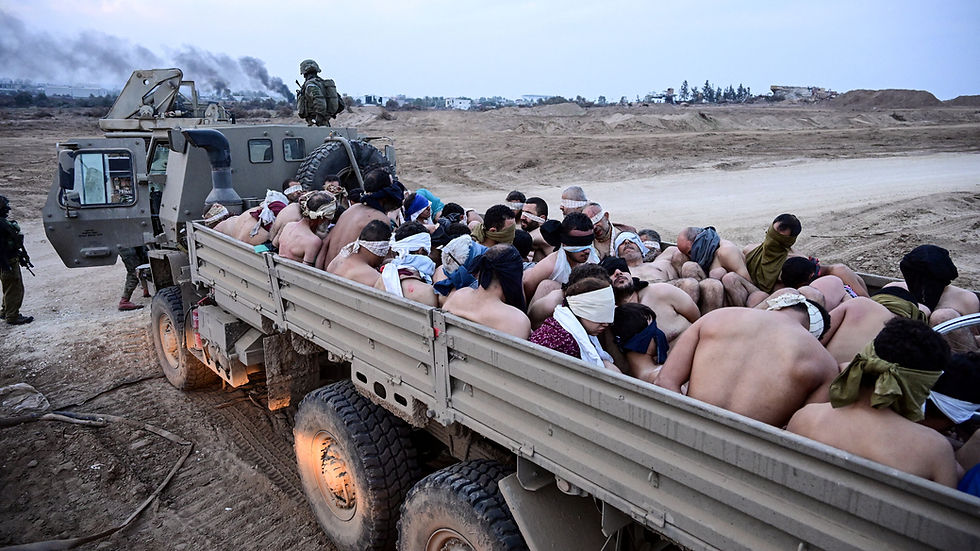
🧠 Summary
Yes — there is internal dissent in Israeli civil society.Two leading Israeli human rights organizations — B’Tselem and Physicians for Human Rights–Israel — have publicly concluded that Israel’s actions in Gaza amount to genocide under international law and have called for urgent accountability and international action. This marks a historic and highly consequential moment in how Israelis themselves view their country’s policies toward Gaza. 🇮🇱📣⚖️
At the same time, the Israeli government rejects these claims, framing its actions as legitimate self-defense and rejecting the characterization as politicized or baseless.
Here are actual excerpts and key points from the Israeli civil society reports — straight from the organizations themselves — that explain why these groups concluded Israel’s actions in Gaza meet the legal criteria for genocide, including how they interpret international law and what evidence they cite. ⚖️📚
📌 1. B’Tselem’s Report: Our Genocide
This report is one of the first major Israeli civil society publications to explicitly call the situation in Gaza genocide, and it lays out both legal reasoning and documented facts.
📜 Legal Definition
B’Tselem references the 1948 Genocide Convention, which defines genocide as acts committed with the intent to destroy, in whole or in part a protected group (national, ethnical, racial, or religious). They explain that genocide isn’t just mass killing — it includes the destruction of the group’s social, cultural, and physical foundations.
📌 Key Conclusions
💬 “Israel is committing genocide against the Palestinians in the Gaza Strip.” That’s the direct conclusion from examining:
Mass killings and civilian deaths
Deliberate destruction of infrastructure
Forced displacement and unlivable conditions
Statements by senior Israeli officials
These, B’Tselem argues, show intent to destroy Palestinian societal existence in Gaza.
🧾 Quote from B’Tselem
“…an examination of Israel’s policy … and its horrific outcomes … leads to the unequivocal conclusion that Israel is taking coordinated, deliberate action to destroy Palestinian society in the Gaza Strip.”
Their analysis connects acts on the ground with statements by leaders and policy outcomes to argue that this meets the elements of genocide under international law.
🧬 2. Physicians for Human Rights–Israel (PHRI) Report
PHRI approached the question from a legal-medical perspective, emphasizing the effect of the conflict on life-sustaining systems like healthcare.
🩺 What PHRI Found
Systematic destruction of Gaza’s healthcare infrastructure
Blockades and restrictions on medical care and evacuations
Targeting of health professionals and facilities
PHRI argues that this is not incidental war damage, but a policy that has the effect (and in their legal view, the intent) of destroying a group’s ability to sustain life.
🗣️ Quote from PHRI’s Director
“This is not incidental damage from war — it is a deliberate policy … this is genocide, and we must fight it.”
PHRI connects these findings to the Genocide Convention’s criteria, particularly the clause about “deliberately inflicting on the group conditions of life calculated to bring about its physical destruction in whole or in part.”
📊 3. How These Reports Apply the Legal Standard
Both organizations reference the Genocide Convention and its interpretation in international jurisprudence:
Criterion | How Report Says It Is Met |
Killing members of the group | High civilian death tolls in Gaza operations |
Causing serious bodily/mental harm | Widespread injury, displacement, trauma |
Inflicting destructive conditions | Siege conditions, infrastructure destruction, blockade |
Preventing births / harming future generations | Destruction of IVF clinics and demographic impact cited |
Intent | Statements by officials + patterns of conduct interpreted as deliberate intent rather than collateral damage |
They emphasize that intent — legally the hardest element to prove — can be inferred from consistent actions plus public statements by leaders.
🧠 4. Context and Why It Matters
These reports stand out because they’re from within Israeli civil society — not external critics — and they frame their analyses as legal judgments grounded in evidence and international law rather than political rhetoric.
✔ They use documented documentation, victim testimony, medical and legal analysis.✔ They explicitly call on the international community to act based on these findings.
At the same time, it’s important to note that these civil society reports are not judicial decisions:📍 They are legal interpretations and advocacy documents, not rulings by courts like the International Court of Justice (ICJ), which is separately examining similar questions.
📍 The Israeli government strongly disputes the conclusions and labels them politically motivated.

“Criticizing the actions of a state — including Israel — using international law and citing Israeli Jewish human rights organizations is not antisemitism; it is civic, legal, and moral engagement.”


Comments