
🔥 What Trump Said

In a recent interview, President Trump suggested that the U.S. “never really needed” NATO allies in Afghanistan and that while they sent some troops, they “stayed a little back, a little off the front lines.” Those comments sparked a wave of backlash from veterans, political leaders, and governments, especially in countries that suffered significant casualties fighting alongside U.S. forces.
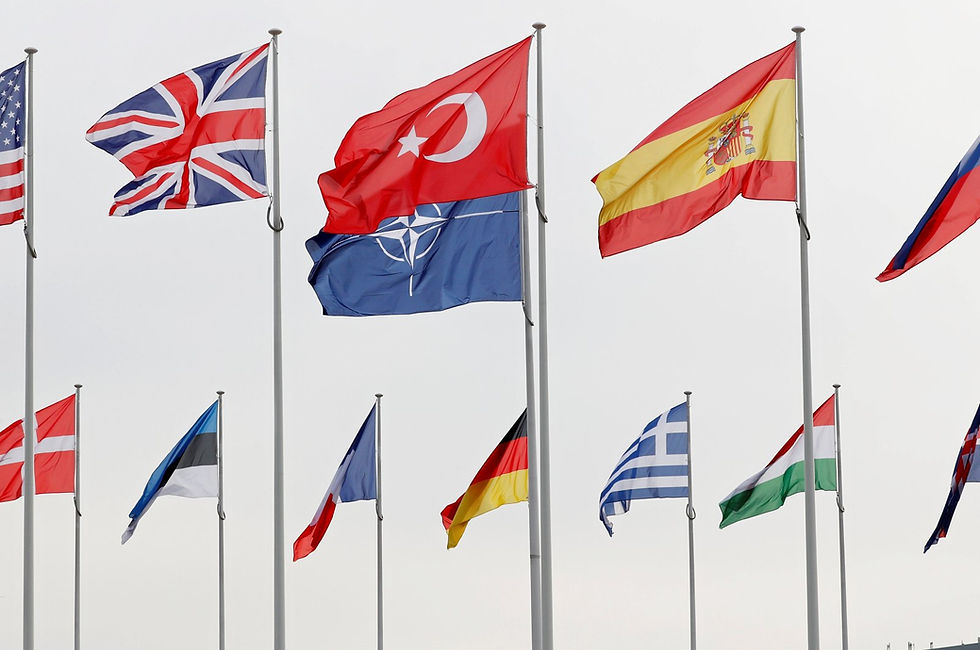
British & European Veterans Reacted With Anger
🇬🇧 UK Afghanistan Veterans
Many British veterans called Trump’s comments “upsetting,” “disrespectful,” and “insulting.”
Corporal Andy Reid, who lost both legs and an arm from an IED in Afghanistan, said it was deeply painful to hear someone characterize allied troops as not being on the front lines.
🎖️ Other European Veterans
Veterans across Europe — including Norway and Denmark — also rejected the remarks as “ill-informed” and hurtful to those who served and lost comrades.
Norway’s vets and politicians publicly urged Trump to apologize, underscoring that allied forces fought under very dangerous conditions.
🇦🇺 Australian Veterans Also Outraged
Australian veterans and defence officials called Trump’s statements a “profound insult,” pointing out that tens of thousands of Australian troops served in Afghanistan and many participated in intense frontline operations — with 47 killed and hundreds wounded.
🇬🇧 Political & Military Leaders Joined the Outcry
👤 Prince Harry
A veteran of two tours in Afghanistan, Prince Harry emphasized that NATO sacrifices deserve respect and truthful acknowledgment, especially given the heavy losses his UK compatriots suffered.
🇬🇧 British Prime Minister Keir Starmer
Starmer publicly called Trump’s remarks “insulting and frankly appalling” and remarked on the deep pain they caused British veterans and bereaved families.
🧠 What Veterans Are Saying Overall
Across the board, veterans’ reactions share several common themes:
🔸 Deep Hurt & DisbeliefMany feel Trump’s comments rewrite history and diminish the very real sacrifice made by NATO troops alongside American forces.
🔸 Lack of Appreciation for Shared SacrificeVeterans argue that the collective fight in Afghanistan was a multinational effort with significant NATO casualties, not a U.S.-only or U.S.-frontline-only war.
🔸 Calls for Respect & ApologySome veterans and public figures believe a formal apology would be appropriate given the emotional impact on families and comrades.
Here’s how U.S. Afghanistan veterans and veteran communities in the United States have been reacting to President Trump’s recent comments suggesting that NATO allies “stayed a little off the front lines” in Afghanistan — a remark that has deeply upset many who served alongside allied forces: 🇺🇸🪖
🇺🇸 1. Disrespect Toward Allied Sacrifice Hurts American Veterans Too
Even U.S. vets who proudly served alongside NATO partners have expressed disappointment and frustration that the comments diminish the shared sacrifices made in Afghanistan. Many American veterans view the war as a multinational effort where allied troops fought, bled, and died alongside U.S. forces — and feel it’s wrong to downplay that history. This sentiment has surfaced in online discussions and community discussions among veterans.
🇺🇸 2. Some American Veterans Stand With Allies
Across social platforms frequented by veterans, several U.S. ex-service members have explicitly defended NATO troops, saying things like the sacrifices of allied forces were real and meaningful, and that Trump’s comments do a disservice to the history of coalition warfare. These veterans emphasize that losing comrades — whether American or allied — was part of the same conflict, and that shared service builds lifelong bonds.
For example, one U.S. combat veteran wrote publicly that he’d served with Romanian, German, Georgian and British troops — sharing combat duties, medevacing wounded allies, and intermingling in operations — and expressed gratitude and respect for them while lamenting the lack of official apology.
🇺🇸 3. Anger Over Ignoring Real Losses
Some U.S. veterans have expressed frustration or even anger — not just toward NATO characterization — but toward the tone and timing of Trump’s remarks. In online discussions, some pointed out:
It’s disrespectful to allied forces whose countries suffered casualties (sometimes significant relative to population).
Remarks like Trump’s can feel like a betrayal of the collective experience of combat veterans who fought shoulder-to-shoulder with NATO troops.
A few comments have even called for formal apologies to allies.
🇺🇸 4. Veterans Often Stress Shared Brotherhood
Across veteran communities, regardless of nationality, there’s a repeated theme: combat bonds go beyond flags. Many U.S. vets argue that being in the same foxholes, facing the same threats, and witnessing the human cost of war together is what truly defines the shared experience — not who carried the most equipment or who led operations. This mentality fuels much of the pushback against any narrative that minimizes allied contribution.
🇺🇸 5. Not All Reactions Are Publicized Yet
It’s worth noting that while the strongest vocal criticism has come from allied veterans and political leaders, reactions from U.S. veterans are also emerging — particularly on veteran forums and social media communities where veterans share personal reflections, pride in NATO teamwork, and calls for accurate recognition of history.
🧠 In Summary
U.S. veterans’ reactions to Trump’s controversial remarks have included:
🇺🇸 Solidarity with NATO allies — defending their role in Afghanistan.🇺🇸 Disappointment or frustration that comments minimize shared sacrifice.🇺🇸 Calls for respect and accuracy in discussing military service and coalition efforts.🇺🇸 Personal reflections highlighting how Americans and allied troops truly fought together on the front lines.
Trump’s comments have touched a nerve not just abroad, but among Americans who served — especially those who remember the coalition nature of the Afghan conflict and value the service of all who fought alongside them.


Comments